| |
 |
 |












|
|
|
 |
 |
|
Nuwara Eliya
Nuwara Eliya-situated in the central
mountains at an altitude of over 6000 feets-is the premier hill
resort of Sri Lanka. Overlooked by Mt. Piduratalagala, the highest
peak of Sri Lanka, Nuwara Eliya's literal meaning is the City Of
Light.
Developed by Britishers as an exact replica of the British town,
Nuwara Eliya produces some of the country's best tea. With an
average temperature of 10 C, Nuwara Eliya provides respite from the
hot and humid temperature of the plains. Major tourist attractions
are Horton Plains, a National Park where sambhar and leopard are
frequent sights and Hakgala Botanical Gardens famous for its
collection of roses and the rare fernery. The town is an excellent
getaway for trekkers and nature lovers.
BEST Attractions in
Nuwara Eliya ( little
England)
|
The Golf
Course: The jewel in the crown of Nuwara Eliya is the
117 year old course in the heart of the town. The Golf Course
starts from one corner of the town and is nestled into the
valley, between the town and the surrounding forested hills. |
|
|
|
|
|
The Lake
Gregory: This lake was fashioned under orders of
British Governor Sir William Gregory in 1873. A boat yard now
allows visitors to go boating and rowing.
|
|
|
|
|
|
Victoria
Gardens: Victoria Park is an attractive and well-used
oasis. It is popular with birdwatchers at quieter times because
of the good opportunities it gives to see various species,
particularly the Indian Blue Robin, Pied Thrush or Scaly Thrush
lurking in the denser undergrowth. Kashmir Flycatcher is another
attractive bird species found in the park.
|
|
|
|
|
|
Hukgala
Botanical Gardens: The Gardens was firs established
in 1861 under the curatorship of three British of the same name
- William Nock, JK Nock and JJ Nock. It lies under the Hakgala
Peak, between 5000 - 6000 feet in elevation - the highest set
Botanic Gardens in the world. It boasts 100 year old Monetary
Cypress trees from California, Japanese Cedars, Himalayan Pines
and English Oak |
|
|
|
|
|
Horton
Plains:
The town is a base for visits to Horton Plains National Park.
This is a key wildlife area of open grassy woodland. Species
found here include Leopard, Sambar, and the endemic Purple-faced
Langur. Endemic highland birds include Dull-blue Flycatcher, Sri
Lanka White-eye, and Yellow-eared Bulbul.The park also has a
well-visited tourist attraction at World's End, a sheer
precipice with a 1050 m drop. The return walk passes the scenic
Baker Falls.
|
|
|
|
|
|
Adams'
Peak: Udawatte Kele is a primeval forest located
above the Dalada Maligawa. It is also known as the Forbidden
Forest of the Kings of Kandy. It contains a variety of trees
such as Talipot trees, cinnamon, olive, rattan cane, betel, bo-trees,
kitul palms, jak, mara, betelnut and arecanut. . |
|
|
|
|
|
Tea
Trails: The slow-growing tea bushes of this highland
region produce some of the world's finest Orange Pekoe tea, and
several tea factories around Nuwara Eliya offer guided tours and
the opportunity to sample or purchase their products. |
|
|
|
|
|
Waterfalls: On your way to Nuwara Eliya, via Hatton,
you can enjoy the stunning views of majestic St.Clairs and Devon
Waterfalls. Devon Falls drops 97 meters and is named after
Devon, a pioneer coffee planter.
|
|
|
|
|
|
|
|
|
Anuradhapura:
Anuradhapura,is one of the
ancient capitals of Sri Lanka, world famous for its well
preserved ruins of the Great Sri Lankan Civilization. The
city now a UNESCO heritage site, lies 205 km north of the
current capital Colombo in the North Central Province of Sri
Lanka.
Polonnaruwa:
The second most ancient of Sri Lanka's kingdoms, Polonnaruwa was
first declared the capital city by King Vijayabahu I, who
defeated the Chola invaders in 1070 CE to reunite the country
once more under a local leader.
Kandy:
Kandy is the
English name for the city of Maha Nuvara (Senkadagalapura) in
the centre of Sri Lanka. It is the capital of the Central
Province and Mahanuvara District. It lies in the midst of hills
in the Kandy Valley which crosses an area of tropical
plantations, mainly tea.
Nuwara
Eliya:
The town was founded by
Samuel Baker as a hill retreat for the British during the
colonial era, where typical English pastimes including fox
hunting, polo and cricket were played.
Many of the buildings retain features from the colonial period,
and even new hotels are often built and furnished in the
colonial style.
Galle:
Galle is a town situated on
the southwestern tip of Sri Lanka, 119 km from Colombo. Galle
was known as Gimhathiththa (although Ibn Batuta in the 14th
century refers to it as Qali) before the arrival of the
Portuguese in the 16th century, when it was the main port on the
island.
|
|
|
|
|
Home | About
Sri Lanka | FAQs | Travel
Tips | Contact
Us |
Designed by eDesigners |
|
|
|
|
 |
|
| |
 |
| |
|
| |
 |
| |
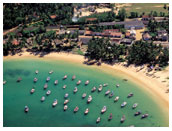
Sea, Sun and Sand :
|
| |
No matter what time of the year, you can find a beach that is in
season and just waiting to welcome you to this warm sands.
|
| |
|
| |
 |
| |
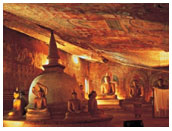
Ancient Cities and Culture
:
|
| |
Island that is an eclectic mix of its colonial history, religious
traditions and South Asian influence. Sri Lanka’s unique culture,
which is authentic to this island, brings together its pluralistic
identity. |
| |
|
| |
 |
| |
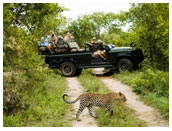
Wildlife Safari :
|
| |
Sri Lanka has strived to provide sanctuary and protection to it's
beautiful wildlife. There are many wild life reserves, nature parks
and sanctuaries established throughout and extremely popular with
local and overseas visitors. |
| |
|
| |
 |
| |
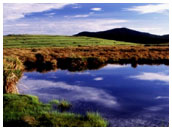
Nature Trails , Fauna & Flora :
|
| |
Scenic routes, a hint of adventure and the most diverse flora and
fauna you’ve ever seen. The island is your very own tropical voyage
waiting to happen. |
| |
|
|
|
 |
| |
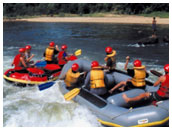
Adventure Tours
:
|
| |
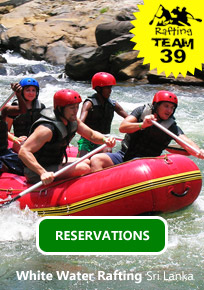
There is simply nothing a tourist could not do in Sri Lanka. We
offer the guided activities like Tracking, bird watching, jungle
safaris, diving, white water rafting etc. |
| |
|
|
|